


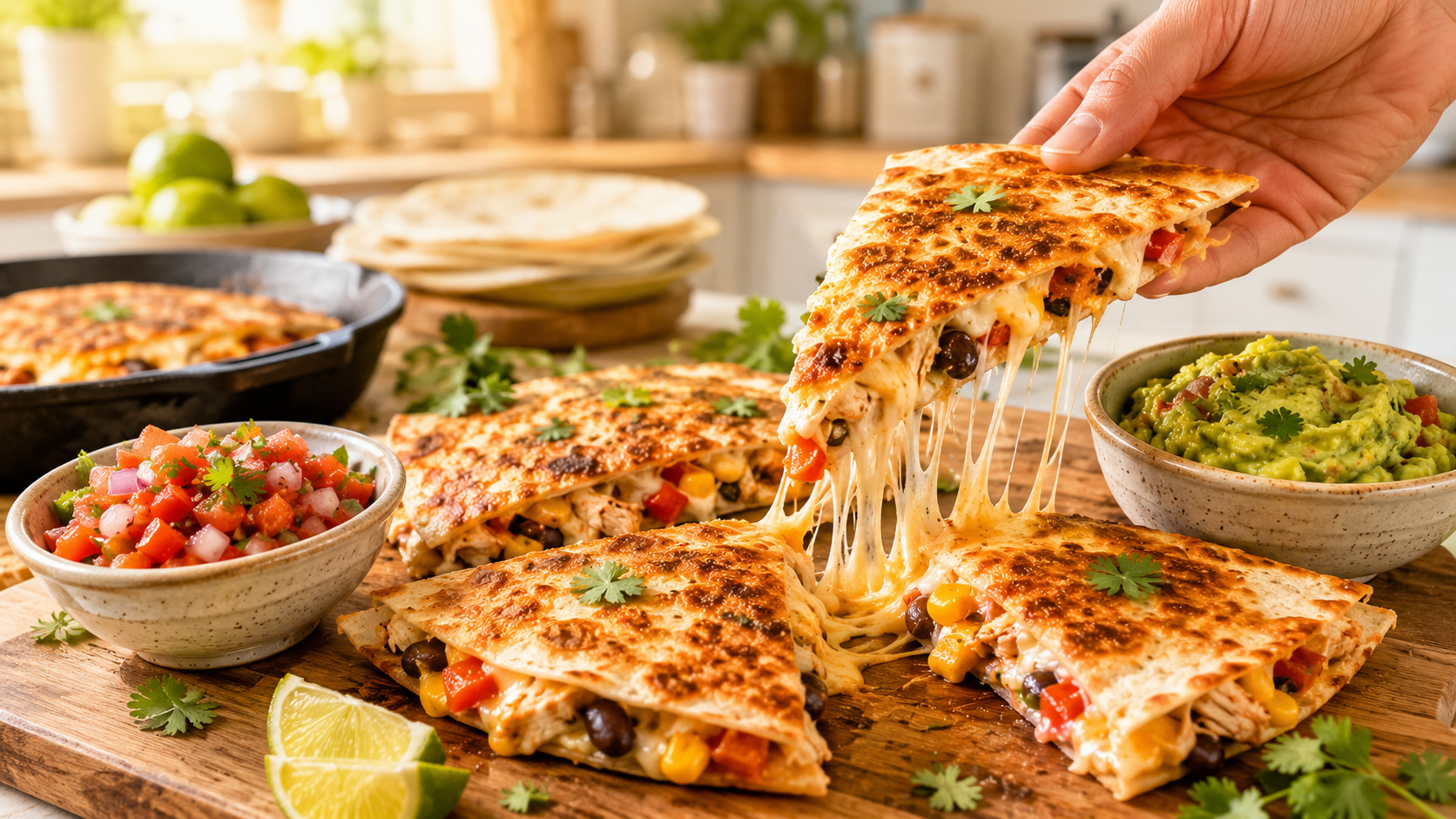
So the sheet pan dinner entered our regular rotation the summer I hit what I now call “the dishwashing threshold” — the point in July where I looked at my kitchen after cooking dinner and thought, there has to be a version of this that ends with fewer things to wash. I’d been a professional cook for over a decade, I had technique, I had ideas, and I was standing there washing four separate pots at eight-thirty PM on a Tuesday, wondering if I was making this harder than it needed to be, you know?
Here’s the thing about sheet pan dinners that I think is worth saying clearly — they’re not a compromise technique. They’re not what you do when you don’t feel like cooking properly. A well-designed sheet pan dinner uses the oven’s high heat to do something that a stovetop rarely achieves with the same efficiency — it caramelizes everything simultaneously, the protein juices drip onto the vegetables below and season them, and everything arrives at the table at the same time with almost no active work from you. That’s not a shortcut. That’s good cooking, you know?
The rules I’ve learned over multiple summers of sheet pan dinners are straightforward and make a real difference. High heat — 425°F minimum. Single layer — never pile things up, or they steam instead of roasting. Similar cooking times on the same pan or staged additions for items with different cook times. And always a finish — fresh herbs, a squeeze of citrus, a drizzle of something — because the oven does the work but the finish is what makes it taste intentional, you know?
These eight sheet pan dinners have all earned permanent spots in our summer weeknight rotation. All of them take ten minutes or less of actual work. All of them come out of the oven looking and tasting like dinner, not like an experiment.
1. Lemon Herb Chicken Thighs with Summer Squash & Cherry Tomatoes
This is the sheet pan dinner I make most often across the whole summer — it’s the one that made me a real believer in the method. Bone-in, skin-on chicken thighs over a bed of summer squash and cherry tomatoes, seasoned simply and roasted at high heat until the skin is deeply golden and the vegetables have become jammy and caramelized from sitting in the chicken drippings. It’s the one-pan summer chicken from its own article, and it belongs here too as the anchor of the sheet pan collection, you know?
What you need (serves 4): 4 bone-in skin-on chicken thighs 2 medium zucchini, sliced into half-inch rounds 1 yellow summer squash, sliced into half-inch rounds 2 cups of cherry tomatoes, left whole 1 red onion, cut into thin wedges 4 cloves of garlic, left whole and unpeeled Olive SSaltsalt, pepper, smoked paprika, garlic powder, dried oregano Crumbled feta and fresh basil to finish Lemon wedges to serve
Here’s how it goes: Preheat to 425°F. Season the chicken thighs generously on all surfaces with Salt, pepper, smoked paprika, garlic powder, and oregano, then rub with olive oil. Toss all the vegetables with olive oil, Salt, and pepper, and spread them across the sheet pan. Nestle the chicken thighs skin-side up on top of the vegetables, making sure the skin isn’t buried into the oven for thirty-five to forty minutes without opening the door. The skin needs sustained high heat and steady air circulation to get properly golden and crispy, and every time you open the oven, you drop the temperature and slow the process.
The chicken is done when it reaches 165°F internally, and the skin is deeply golden. The vegetables will be tender and slightly charred at the edges, swimming in beautiful savory juices from the chicken. Scatter crumbled feta over the pan right after it comes out — the residual heat softens it perfectly. Fresh basil over everything, lemon wedges alongside. Bring the whole pan to the table.
Julia’s real tip: Place the chicken skin-side up and don’t move it. Don’t tent it with foil, don’t flip it, don’t rotate individual pieces. The skin needs dry heat from above and the heat coming up through the pan from below simultaneously to get properly golden and crispy. Any cover or flip disrupts that process, you know?
Family verdict: Dan asked me after the first time I made this whether I could make it every week for the rest of the summer. I said yes because it genuinely takes about eight minutes of my actual time,e and the oven handles everything else. We’ve had it most weeks since.
2. Honey Garlic Salmon with Asparagus & Lemon
Here’s the sheet pan dinner that feels the most elegant and takes the least time — twenty minutes from fridge to table, no compromise on flavor, and one pan to wash at the end. The honey garlic glaze caramelizes against the salmon during the last few minutes under the broiler. It produces that gorgeous lacquered finish that looks like far more effort than a two-ingredient glaze deserves credit for, you know?
What you need (serves 4): 4 salmon fillets, about six ounces each, skin on 1 bunch of asparagus, woody ends snapped off 2 tablespoons of olive oil Salt and cracked black pepper Lemon, thinly sliced into rounds.
For the honey garlic glaze: 3 tablespoons of honey, 2 tablespoons of soy sauce,e 3 cloves of garlic, very finely minced, ed 1 teaspoon of sesame, half a teaspoon of red pepper flakes
Here’s how it goes: Preheat oven to 400°F. Toss the asparagus with olive oil, a little salt, and pepper, and spread across the sheet pan. Place the salmon fillets skin-side down among the asparagus spears. Lay two or three lemon slices on top of each fillet. Whisk the honey garlic glaze ingredients together. Half-spoon half of it over the salmon fillets — reserve the rest for the broiler finish.
Roast for twelve minutes. Pull the pan out and spoon the remaining glaze over the salmon — it should look glossy and thick after the initial cook has concentrated it slightly. Switch the oven to broil on high and return the pan to the oven for two to three minutes until the glaze caramelizes and the top of each fillet has a beautiful, deep golden-brown finish. Watch it — the difference between caramelized and burned under a broiler is about sixty seconds.
Rest for three minutes, then serve directly from the pan with extra lemon wedges.
Julia’s real tip: Skin-on salmon on a sheet pan creates its own release — the skin acts as a barrier between the delicate flesh and the hot pan, which means it lifts away cleanly rather than sticking and tearing when you serve it. Always buy skin-on for sheet pan salmon, you know?
Family verdict: Maya considers this her favorite dinner when it comes out with that caramelized glaze finish, which she photographs before eating every single time without exception. Dan ate the asparagus without mentioning it, which, for a man who claims to be neutral on asparagus, is a meaningful development.
3. Italian Sausage with Peppers, Onions & Zucchini
Here’s the sheet pan dinner that smells like the best possible version of a summer backyard meal cooking in your kitchen oven. Fennel-spiced Italian sausages roasting alongside sweet bell peppers, onion wedges, and zucchini, everything getting caramelized and slightly charred, all the flavors mingling in the pan in a way that makes the whole thing taste more complex than its six ingredients suggest, you know?
What you need (serves 4): 6 Italian sausages — mild or hot, your call, the sweet versions are more kid-friendly, the spicy ones make the adults happier 2 bell peppers — red and yellow, cut into strips 1 large red onion, cut into thick wedges 2 medium zucchini, cut into thick half-moons 4 cloves of garlic, left whole and unpeeled 3 tablespoons of olive oil 1 teSalton of Italian seasoSalt Salt and cracked pepper Fresh parsley and balsamic glaze to finish Crusty bread for serving
Here’s how it goes: Preheat to 425°F. Toss all the vegetables with olive oil, Italian seasoning, Salt, and pepper. Spread across the sheet pan in a single layer. Poke the sausages a few times with a fork — this allows the fat to render out and baste the vegetables rather than bursting the casing suddenly. Nestle the sausages among the vegetables in the pan.
Roast for twenty-five to thirty minutes, flipping the sausages once halfway through and tossing the vegetables at the same time. The sausages should be deeply browned on both sides and cooked through. The vegetables should be tender with caramelized, slightly charred edges. Scatter fresh parsley over the finished pan and drizzle balsamic glaze over everything in a thin zigzag. Serve with crusty bread to mop up the pan juices — those juices are deeply savory from the sausage fat, and they’re worth every bit of bread you use to chase them, you know?
Julia’s real tip: Don’t use precooked sausages for this — the raw sausages render their fat during roasting,g and that fat drips down onto the vegetables and seasons them. Precooked sausages have already lost most of their fat and won’t produce the same savory vegetable result. Raw sausages, high heat, one pan, you know?
Family verdict: Jake eats the sausage and the potatoes if I add some to the pan, and carefully avoids the peppers. Maya eats everything on the pan, including the whole garlic cloves squeezed out of their skins, which shows real adventurousness. Dan dragged bread through the pan juices after everyone else’s plates were done and looked completely at peace with his choices.
4. Sheet Pan Shrimp Fajitas
Here’s the sheet pan dinner that produces the most dramatic-looking result for the simplest assembly. Shrimp, bell peppers, and onions seasoned with fajita spices and roasted at high heat, then served in warm tortillas with all the classic toppings. The whole sheet comes to the table in about fifteen minutes,s and the sizzle and color and smell of it are genuinely impressive, you know?
What you need (serves Half1 and a half pounds of large shrimp, peeled and deveined, tails removed 3 bell peppers in different colors, thinly sliced; 1 large onion, thinly sliced; tablespoons of olive oil; 2 teaspoons of chili powder; 1 teaspoon of umin; 1 teaspoon of smoked paprika; Half a teaspoon of garlic; Half a teaspoon of onion salt; Juice of one lime.
For serving: Warm flour tortillas, sour cream, guacamole, fresh salsa, shredded cheese, cilantro, lime wedges
Here’s how it goes: Preheat to 425°F. Here’s the important sequencing note for this recipe — the peppers and onions go in before the shrimp because they need significantly more cook time. Toss the peppers and onions with two tablespoons of olive oil and half the fajita spices. Spread on the sheet pan and roast for fifteen minutes until they start to soften and caramelize at the edges.
While the vegetables roast, toss the shrimp with the remaining olive oil, the remaining fajita spices, and the lime juice. When the fifteen minutes are up, pull the pan out, push the vegetables to the sides, and add the shrimp in a single layer in the center. Return to the oven for just five to six minutes until the shrimp are pink and just cooked through. That’s it — everything hits the table simultaneously without either the shrimp being overcooked or the vegetables being undercooked, you know?
Serve the whole pan at the table with warmed tortillas and all the toppings alongside. Let everyone build their own fajitas.
Julia’s real tip: The staged addition for the shrimp is non-negotiable. Shrimp and bell peppers put in the pan at the same time will produce either overcooked shrimp or undercooked peppers — there is no timing that satisfies both simultaneously. Fifteen minutes for the vegetables, five to six minutes for the shrimp added after. The staging takes zero extra effort and makes everything perfect, you know?
Family verdict: OH MY GOSH, the first time I made these fajitas and brought the whole sheet pan to the table, Jake’s reaction was to immediately reach for the tortillas before I’d even set the pan down. The build-your-own format applies the same dinner-table democracy as taco night, which means nobody complains about anything they didn’t choose to put in their own tortilla.
5. Mediterranean Roasted Chicken Legs with Olives, Tomatoes & Potatoes
Here’s the sheet pan dinner that takes the longest but requires the least actual work — forty-five minutes in the oven while you completely ignore it and do something else. Greek-inspired chicken legs over baby potatoes, cherry tomatoes, olives, and lemon slices, seasoned with oregano and garlic, roasted until the chicken skin is golden and crispy and the potatoes have absorbed all the chicken drippings and become caramelized and savory in a way that’s genuinely hard to stop eating, you know?
What you need (serves 4): 4 bone-in chicken legs — the whole leg with thigh and drumstick attached 1 pound of baby potatoes, halved 2 cups of cherHalfomatoes HHalfa cup of Kalamata olivHalf lemon, hHalfsliced into rounds and half reserved for finishing 6 cloves of garlic, unpeeled 4 tablespoons of olive oil 1 teaspoon of dried oregano 1 teaspoon of smoked paprika Salt and generous black pepper Crumbled feta and fresh parsley to finish
Here’s how it goes: Preheat to 425°F. Toss the Saltatoes with two tablespoons of olive oil, Salt, pepper, and smoked paprika. Spread on the sheet pan and roast for fifteen minutes to give them a head start—season the chicken legs generously all over with Salt, pepper, oregano, and the remaining olive oil. After the potatoes’ fifteen-minute head start, add the cherry tomatoes, olives, garlic cloves, and lemon rounds to the pan, toss everything together briefly, then place the seasoned chicken legs skin-side up on top of everything. Return to the oven for thirty to thirty-five more minutes until the chicken is golden and cooked through to 165°F.
Scatter crumbled feta over the pan, squeeze the reserved lemon half over everything, and finish with fresh parsley. The whole pan goes to the table.
Julia’s real tip: The fifteen-minute potato head start is the detail that makes this recipe work — potatoes take longer than chicken skin to get properly golden and tender, and without that head start, you end up with perfect chicken over undercooked potatoes. Give the potatoes their time, then build everything else on top, you know?
Family verdict: This is the sheet pan dinner Dan requests by name — “the Greek chicken pan.” He eats the roasted potatoes with a devotion that borders on ceremonial. Maya squeezes the roasted garlic cloves out of their skins and eats them on bread, which is exactly the right move. Jake eats the drumstick part of his chicken leg and leaves the thigh behind, because drumsticks can be eaten with your hands and thighs require utensils.
6. Sweet Potato, Black Bean & Corn Sheet Pan with Chipotle Lime
Here’s the fully plant-based sheet pan dinner that is genuinely one of the most satisfying things to come out of the oven, period — and I say that as someone who has been known to put steak on a sheet pan. The combination of sweet potato caramelizing at high heat, black beans getting slightly crispy at the edges, and corn concentrating into something intensely sweet and savory is seriously amazing, and the chipotle lime dressing over everything at the end brings it all together in a way that makes you forget there’s no meat involved, you know?
What you need (serves 4): 2 large sweet potatoes, peeled and cut into three-quarter inch cubes One can of black beans, drained and rinsed and dried with paper towHalf1 and a hHalfcups of corn kernels — fresh off the cob or frozen thawed 1 red bell pepper, diced 1 red onion, diced 3 tablespoons of olive oil 1 teaspoon of cumin 1 teaspoon of chili powder Half a teaspoon of smoked paprika Salt and peppe.r
For the chipotle lime dressing: Half a chipotle pepper in adobo sauce, very finely minced, ed 1 tablespoon of the adobo sauce,uce 3 tablespoons of olive juice, juice of one lime, and zest of half 1a lime, teaspoon Saltalt
For serving: Sliced avocado, crumbled cotija or feta, fresh cilantro, lime wedges, sour cream, warm tortillas or rice
Here’s how it goes: Preheat to 425°F. Toss the sweet potato cubes with two tablespoonSalt olive oil, cumin, chili powder, paprika,paprSaSaltalt, and pepper. Spread on a large sheet pan with plenty of space between pieces. Roast for fifteen minutes, then add the bell pepper, onion, and corn to the pan, toss everything together, and roast for another fifteen minutes. In the last five minutes, add the black beans to the pan — dried beans roasted for five minutes develop slightly crispy edges that add an excellent texture.
Whisk the chipotle lime dressing together. As soon as the pan comes out of the oven, drizzle the dressing over everything and toss to coat while it’s still hot. The heat helps the dressing absorb into the sweet potato and beans.
Serve over rice or in warm tortillas with sliced avocado, cotija, fresh cilantro, sour cream, and lime wedges.
Julia’s real tip: Dry the black beans thoroughly before they go in the pan. Wet beans steam and stay soft. Dried beans roasted for five minutes at 425°F develop those crispy edges that add the textural contrast this dish needs. Paper towels, firm pressing, let them air dry for a few minutes. Completely dry beans onto a hot sheet pan, you know?
Family verdict: This converted Dan from someone who considers plant-based dinners “side dishes that got too big for their lane” to someone who specifically requested this pan on a Wednesday. That’s meaningful progress, and I’m documenting it. Maya eats it in a warm tortilla with everything available. Jake eats the sweet potato and corn and considers his vegetable obligations more than met for the evening.
7. Garlic Butter Steak & Vegetable Sheet Pan
Here’s the sheet pan dinner that makes people look at the pan coming out of the oven and ask whether this came from a restaurant, because steak and roasted vegetables together on a sheet pan with garlic butter looks and smells like a significantly more involved cooking project than the ten minutes of actual work it requires. The key is using the right cut — flank steak or sirloin in thicker pieces that cook quickly at high heat without overcooking — and the garlic herb butter that goes on immediately after the pan comes out of the oven, you know?
What you need (serves Half1 and apounds of sirloin steak or flank steak, cut into two-inch pieces, 1 pound of baby potatoes, halve,d 2 cups of broccoli florets, 1 red bell pepper, cut into chunk,s 1 zucchini, cut into thick roun, ds 3 tablespoons of olive, oil 1 teaspoon of smoked pap, rika 1 teaspoon of garlic SaltalSaltalt and cracked black pepper.
For the garlic herb butter: 4 tablespoons of unsalted butter, softened 3 cloves of garlic, very finely minced 2 tablespoons of fresh parsley, finely chopped 1 teaspoon of fresh thyme leaves A pinch of flaky sea salt.
Here’s how it goes: Preheat to 425°F. Mix the garlic herb butter and set aside — it should be at room temperature and soft enough to melt quickly oon Saltotfood.
Toss the potatoes with olive oil, smoked paprika, Salt, and pepper,r and spread on the pan. Roast for fifteen minutes to give them a head start. MeaSaltle, toss the broccoli, bell pepper, and zucchini with olive oil and pepper. Toss the steak pieces with olive oil, garlic powder, Salt, and generous pepper.
After the potatoes’ fifteen minutes, add the vegetables to the pan, toss with the potatoes, and roast for ten more minutes. Add the steak pieces to the pan in a single layer and roast for another eight to ten minutes for medium-rare to medium — the steak will continue cooking slightly off the heat, so pull it at the lower end of your preferred doneness.
The moment the pan comes out, drop the garlic herb butter in small spoonfuls across the steak pieces. It will melt immediately into the hot meat and vegetables, and the smell that comes off that pan is absolutely incredible. Let it rest for five minutes, then serve directly from the pan.
Julia’s real tip: The staged timing — potatoes first, then vegetables, then steak — is what makes everything on the pan arrive at the right doneness simultaneously. With staging,g you have either raw potatoes or overcooked steak. The three-stage addition takes the same total time and the same total amount of effort, just distributed differently across the oven time, you know?
Family verdict: Dan stood at the oven watching this cook for the last five minutes and asked what the butter situation was, which told me he could smell the garlic herb butter and was excited about it. Both kids ate the steak and the potatoes. Maya ate the broccoli. Jake ate around the broccoli with the precision of someone who has extensive practice navigating around vegetables he’d prefer not to engage with.
8. Sheet Pan Greek Shrimp with Tomatoes, Olives & Feta
So here’s the last sheet pandinnern,e,r and it’s the one that surprised me the most when I first made it — shrimp roasted in a tomato olive sauce with a generous layer of feta melted over the top, served with crusty bread for scooping. It tastes like a proper Greek baked shrimp dish, it takes about twenty minutes from start to finish, and the presentation straight from the oven in that bright tomato and shrimp and white feta combination is genuinely beautiful on the table, you know?
What you need (serves Half1 and a hHalfpounds of large shrimp, peeled and deveined, tails on One 14-ounce can of cherry tomatoes or crushed San Marzano tomatoes HHalfa cup of Kalamata olives, halved 4 cloves of garlic, thinly sliced 3 tablespoons oHalfive oil Half a teaspoon of red pepper flakes 1 teaspoon of dried oregano 6 ounces of good quality feta cheese, crumbled in large pieces Fresh parsley or dill and a squeeze of lemon to finish Crusty bread to serve
Here’s how it goes: Preheat to 400°F. Combine the canned tomatoes, olives, garlic, olive oil, red pepper flakes, and oregano directly in a large rimmed sheet pan or a baking dish — this one works better in a higher-sided pan because of the tomato sauce. Mix everything and spread evenly. Roast for fifteen minutes until the tomato sauce is bubbling,, slightly reduced,, and fragrant.
Pull the pan out and add the shrimp in a single layer across the tomato mixture, pushing them down into the sauce slightly. Scatter the crumbled feta generously over the top of the shrimp. Return to the oven for eight to ten minutes until the shrimp are pink and just cooked through and the feta has softened and is slightly golden at the edges. Finish with fresh parsley or dill and a good squeeze of lemon.
Serve immediately with crusty bread — the tomato olive sauce in the bottom of the pan is the reason for the bread, and it’s one of the best reasons for bread I know, you know?
Julia’s real tip: Don’t skip the tomato sauce roasting step before the shrimp goes in. Those fifteen minutes of simmering the tomato and olive mixture in the oven concentrate the flavors and reduce the liquid so you end up with a thick, savory sauce rather than a watery tomato broth. Shrimp added to an unreduced sauce produces a soupy result. Fifteen minutes of patience produces the sauce you actually want, you know?
Family verdict: Dan went back for three pieces of bread specifically to chase the sauce in the bottom of the pan after the shrimp were gone, which is the most honest review a sauce can receive. Maya ate every olive and called it “the fanciest sheet pan dinner.” Jake ate the shrimp and the bread and was diplomatically neutral about the tomato sauce, which I’ve recorded as a conditional win.
So eight sheet pan dinners beat between them, covering almost every protein, almost every flavor direction, and almost every family mood a summer weeknight can present. The common thread running through all eight is the same one — most of the work happens in the oven without your involvement, the active prep is under ten minutes, and the result tastes like dinner was thought about rather than just assembled, you know?
The sheet pan is one of the most honest tools in the kitchen. It doesn’t hide mediocre ingredients behind complicated techniques, nd it doesn’t require you to monitor and adjust constantly. It just needs good ingredients, adequate seasoning, the right temperature, and the trust to leave it alone while the oven does what ovens do. Once you’ve made two or three of these, the format becomes second nature and you’ll find yourself adapting it to whatever’s in the fridge on any given Wednesday. That’s the whole goal, you know?
You’ve absolutely got this. Now preheat that oven.
— Chef Julia









Discussion about this post