


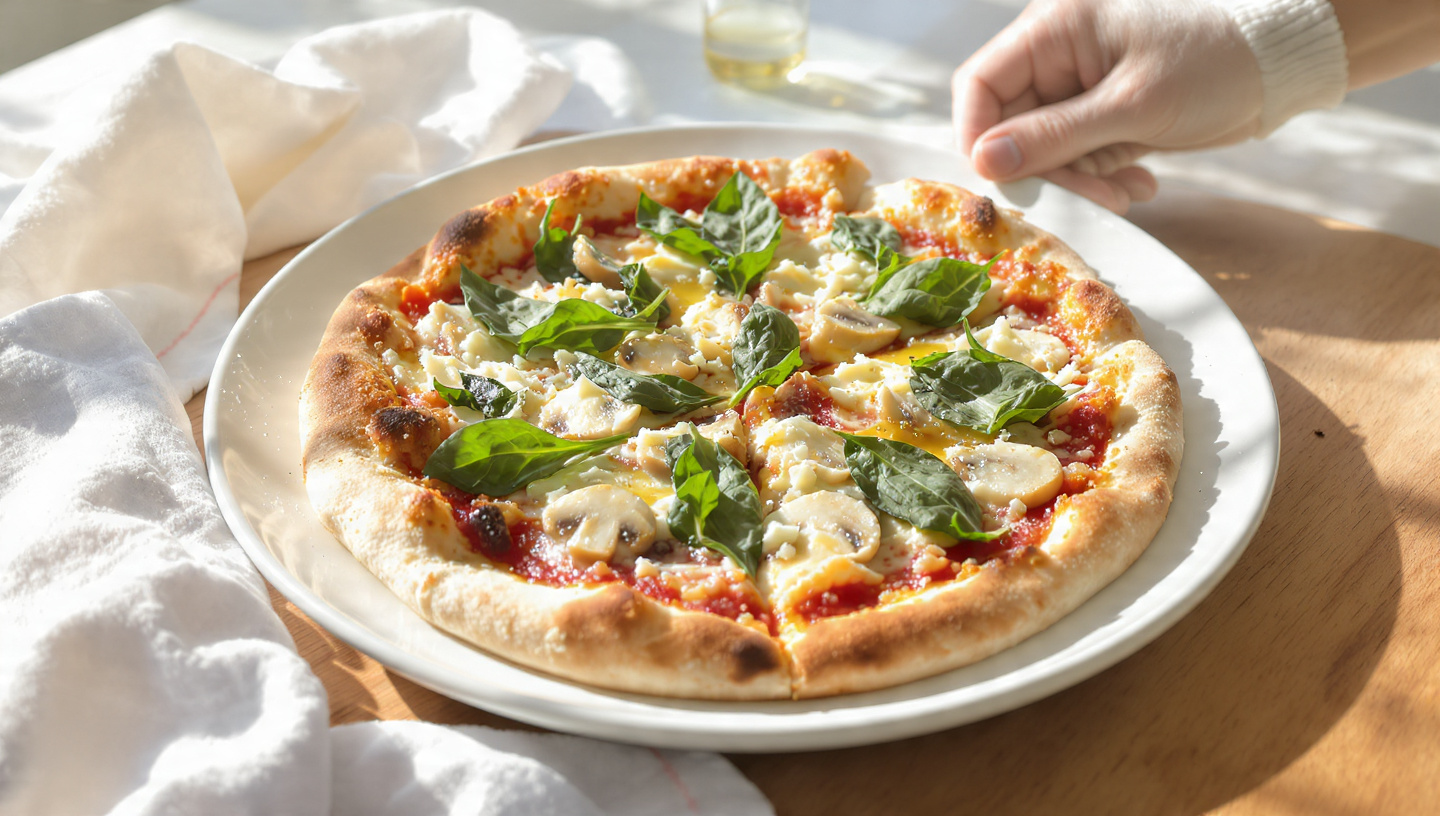
Tired of the dinner dilemma? You know the scene—the clock is ticking, hungry eyes are watching your every move, and another takeout menu is calling your name with the sweet promise of not having to cook. But the guilt of another delivery order, another pile of cardboard boxes, another meal that’s not quite as healthy as you’d like…
What if we told you a delicious, homemade pizza could be on the table faster than delivery? We’re not exaggerating from opening the fridge to slicing the first piece: about 25 minutes.
Our Quick Vegetarian Pizza: For busy families like yours, whipping up a wholesome weeknight meal often feels like running a marathon after already running a marathon (because, you know, parenting). But with our Quick Vegetarian Pizza: Using Store-Bought Dough for a Fast Meal, you can reclaim your evenings and actually enjoy dinner time again.
toppings, this recipe is your secret weapon for a stress-free, completely customizable dinner that’s bursting with flavor, packed with vegetables, and ready in minutes. Plus, it’s endlessly adaptable—let everyone in the family choose their own toppings, and suddenly pizza night becomes the most popular night of the week.
Why Store-Bought Dough Pizza Will Become Your Family’s Favorite
I remember those chaotic Tuesdays all too well—soccer practice running late, homework battles stretching into the evening, and a refrigerator that looked like a barren wasteland of condiments and forgotten leftovers. One particularly desperate evening, staring at a sad block of mozzarella, a half-empty jar of pizza sauce, and a forgotten tub of store-bought pizza dough that was about to expire, inspiration struck.
What started as a desperate attempt to avoid another drive-thru detour became our family’s most requested dinner. My kids, who normally approach vegetables with deep suspicion, actually competed to add toppings to their pizza slices. It was a revelation: even on the busiest, most chaotic days, a delicious, genuinely homemade meal is totally achievable.
This isn’t just a recipe; it’s a lifeline for busy parents. By leveraging the convenience of store-bought pizza dough, we can dramatically cut prep time without sacrificing taste or nutrition. The dough does the hard work for you—no kneading, no rising, no hoping you got the yeast right.
What makes this method special is its endless customization. Everyone can add their favorite vegetables (or strategically hide ones they’re learning to love under cheese). It’s interactive and fun, and it creates those family memories around the dinner table that we’re all chasing. A true “dinner winner” that’s healthy, satisfying, and incredibly fast.
Ingredients You’ll Need
Simple ingredients for pizza perfection!
For the Pizza Base:
- 1 ball (14-16 oz) store-bought pizza dough (refrigerated section)
- ½ cup pizza sauce (marinara or pesto works beautifully, too!)
- 1½ cups shredded mozzarella cheese (or your favorite blend)
- 1 tablespoon olive oil (for brushing the crust)
Vegetable Toppings (Choose Your Favorites!):
- ½ bell pepper (any color), thinly sliced
- ½ cup sliced mushrooms (cremini or white button)
- ¼ red onion, thinly sliced
- ½ cup fresh baby spinach
- ¼ cup black or Kalamata olives, sliced
- ¼ cup cherry tomatoes, halved
Optional Seasonings:
- Dried oregano
- Dried basil
- Garlic powder
- Red pepper flakes
- Fresh basil leaves (for garnish after baking)
Equipment Needed
Basic tools for homemade pizza!
- Large baking sheet (13×18 inches)
- Parchment paper (highly recommended for easy cleanup and non-stick results)
- Cutting board
- Sharp knife
- Rolling pin (optional—hands work great too!)
- Pizza cutter or sharp knife for slicing
That’s it! No pizza stone required, no special equipment needed.
Ingredient Notes and Easy Substitutions
Pizza Dough Options: Most grocery stores carry refrigerated pizza dough in tubes or balls near the biscuits and crescent rolls. You can also find it fresh at many bakery sections or even at pizza shops that sell dough to go. Whole wheat dough adds fiber, and gluten-free options are increasingly available. Pre-made flatbreads, naan, or even pita work as quick crust alternatives for ultra-fast personal pizzas.
Cheese Variations: Mozzarella is classic for its meltability, but feel free to experiment! A blend of mozzarella and provolone is wonderful. Sharp cheddar adds tang. Ricotta dollops create creamy pockets. For dairy-free options, many plant-based mozzarella cheeses melt well now.
(Sliced Vegetable Flexibility: Use whatever vegetables you have! Great options include zucchini (thinly sliced), broccoli florets (small), artichoke hearts, sun-dried tomatoes, roasted red peppers, corn, or even arugula (add after baking). The key is to slice everything thin and uniformly so it cooks evenly.
Sauce Swaps: Classic marinara is traditional, but don’t be afraid to think outside the box. Basil pesto makes an amazing green pizza. Olive oil with minced garlic creates a “white pizza” base. Alfredo sauce works for a creamy twist.
Step-by-Step Instructions
Follow these simple steps for homemade pizza in about 25-30 minutes!
Step 1: Preheat and Prep the Dough
Preheat your oven to 425°F (220°C)—a hot oven is essential for that crispy crust! Line a large baking sheet with parchment paper.
If your dough is cold from the refrigerator, let it sit at room temperature for 15-30 minutes while you prep everything else. This makes it much easier to stretch without constantly springing back.
Pro Tip: For an extra crispy, never-soggy crust, pre-bake your stretched dough for 5-7 minutes before adding any toppings. This creates a barrier that prevents the sauce and vegetable moisture from making the bottom soggy. Game-changer!
Step 2: Prep Your Vegetables
While the oven preheats and the dough rests, wash and thinly slice all your chosen vegetables. Aim for uniform thickness—about ⅛ inch—so everything cooks at the same rate.
Pro Tip: Moisture is the enemy of crispy pizza! For watery vegetables like mushrooms, zucchini, or fresh tomatoes, either give them a quick sauté to release moisture, or pat them thoroughly dry with paper towels before adding to the pizza. This single step prevents soggy pizza disasters.
Step 3: Stretch the Dough
Lightly flour your hands and a clean work surface (or work directly on your parchment-lined baking sheet to skip a step!).
Gently stretch and press the pizza dough into your desired shape—typically a 10-12 inch circle or rectangle. Don’t stress about perfect shapes; rustic is beautiful! Transfer the stretched dough to your prepared baking sheet if you haven’t already.
Brush the outer edges of the dough lightly with olive oil. This creates a golden, flavorful crust that looks professionally made.
Pro Tip: If the dough keeps springing back stubbornly, let it rest for 5 minutes uncovered. The gluten will relax, making it much more cooperative. Don’t fight it—patience wins!
Step 4: Build Your Pizza
Spread the pizza sauce evenly over the dough, leaving about a ½-inch border around the edges for the crust.
Sprinkle about half of your shredded mozzarella over the sauce. This bottom layer of cheese helps “glue” the toppings in place.
Arrange your prepared vegetables evenly over the cheese. Don’t pile them up—a single layer ensures everything cooks properly.
Top with the remaining mozzarella cheese and any optional dried seasonings (oregano, garlic powder, etc.).
Pro Tip: Less is more with pizza toppings! It’s tempting to pile everything on, but overloaded pizzas don’t cook evenly and often end up with soggy centers. A moderate amount of well-distributed toppings gives you the best results every time.
Step 5: Bake to Golden Perfection
Place the pizza in your preheated oven and bake for 12-18 minutes. You’re looking for a golden-brown crust and bubbly, slightly browned cheese. Every oven varies, so start checking around 12 minutes.
Pro Tip: If your cheese is melted but not browning and you want those gorgeous golden spots, switch to the broiler for the last 1-2 minutes. Watch it like a hawk, though—things go from perfect to burnt in seconds under a broiler!
Step 6: Cool, Slice, and Devour
Carefully remove the pizza from the oven (remember, that pan is hot!). Let it cool on the baking sheet for 2-3 minutes before transferring to a cutting board.
Slice into wedges with a pizza cutter or sharp knife. Add any fresh garnishes now—fresh basil leaves, a drizzle of olive oil, or a sprinkle of Parmesan.
Serve immediately and accept the compliments!
Pro Tip: Those 2-3 minutes of cooling aren’t just about not burning your mouth—they allow the cheese to set slightly, which means cleaner slices and toppings that stay put instead of sliding off in one cheesy sheet.
Expert Tips for Perfect Homemade Pizza
Hot Oven is Non-Negotiable: Make sure your oven is fully preheated before the pizza goes in. A hot oven (425°F+) creates that perfect, crispy-on-the-outside, chewy-on-the-inside crust that makes homemade pizza so satisfying.
Find Your Favorite Dough: Different brands of store-bought dough vary surprisingly in taste and texture. Try a few different ones to find your family’s favorite. Some are chewier, some crispier, and some have better flavor. Experiment!
Don’t Skimp on Prep: Even for a “quick” meal, spending a few organized minutes on prep—preheating, slicing vegetables, getting everything ready—makes the actual assembly lightning fast and stress-free.
Storage and Reheating
Storing Leftovers: Place leftover pizza slices in an airtight container or wrap tightly in foil. Refrigerate for up to 3-4 days.
Reheating Options:
- Oven (Best Results): Preheat to 350°F and bake for 5-10 minutes until heated through and crispy
- Skillet Method: Heat a slice in a dry skillet over medium-low heat, covered, for 3-4 minutes (this keeps the crust crispy!)
- Toaster Oven: Works great for 1-2 slices
- Microwave: Quick but results in a softer crust (place a cup of water in the microwave alongside the pizza to help prevent sogginess)
Delicious Variations to Try
Pesto Veggie Pizza: Replace marinara with basil pesto, and top with cherry tomatoes, zucchini, and goat cheese crumbles. Fresh basil after baking makes it extra special.
Mediterranean Pizza: Use olive oil and garlic as the base, and top with spinach, sun-dried tomatoes, artichoke hearts, Kalamata olives, and crumbled feta cheese.
BBQ Veggie Pizza: Swap pizza sauce for BBQ sauce, and add red onion, bell peppers, and corn. Drizzle with a little more BBQ sauce after baking.
Breakfast Pizza: Top with scrambled eggs (pre-cooked), cheese, sautéed spinach, and diced tomatoes. Perfect for brunch or dinner-for-breakfast nights!
White Pizza: Skip the red sauce entirely. Brush with olive oil, add minced garlic, then pile on ricotta, mozzarella, spinach, and mushrooms. Finish with a drizzle of truffle oil if you’re feeling fancy.
Spicy Pizza: Add sliced jalapeños, banana peppers, and an extra generous shake of red pepper flakes for heat lovers.
Frequently Asked Questions
How long does it take to cook store-bought pizza dough?
Most store-bought pizza dough bakes in a preheated 425°F oven for 12-18 minutes, depending on thickness and toppings. Thinner crusts cook faster; loaded pizzas take longer. Always check your specific dough package for manufacturer recommendations, but visual cues (golden crust, bubbly cheese) are your best guide.
What are the best vegetables for pizza?
Classic favorites include bell peppers, mushrooms, onions, spinach, and olives. But almost any vegetable works! Broccoli florets, zucchini, artichoke hearts, cherry tomatoes, corn, and roasted red peppers are all delicious. The key is to slice everything thinly for even cooking and to manage moisture (pat watery vegetables dry or pre-sauté them).
Can I make vegetarian pizza ahead of time?
For best results, prep your vegetables and store them in the fridge up to a day ahead. You can also par-bake the stretched dough for 5-7 minutes, let it cool completely, and refrigerate it. When ready to eat, add toppings and finish baking. We don’t recommend assembling raw pizza with sauce and toppings too far ahead, as the dough can absorb moisture and become soggy.
How do I prevent a soggy pizza crust with lots of vegetables?
The key is moisture management! Pat watery vegetables (mushrooms, zucchini, fresh tomatoes) dry before using, or give them a quick sauté first. Pre-baking your dough for 5-7 minutes before adding toppings creates a barrier. Avoid overloading; ensure proper cooking and crispiness.
Is store-bought pizza dough healthy?
Store-bought pizza dough can be a perfectly healthy base, especially when topped with plenty of vegetables. Look for whole-wheat versions for added fiber and check ingredient lists for unnecessary additives. Compared to takeout pizza or many frozen options, homemade pizza with store-bought dough lets you control exactly what goes on top, which is always a win for health-conscious families.
Can I use other types of dough or bread for quick pizza?
Absolutely! Naan bread, pita bread, flatbreads, English muffins, and even French bread halves all make excellent quick pizza bases. They’re precooked, so they need to heat through while the toppings cook—often ready in just 10-12 minutes!
Final Thoughts
This Quick Vegetarian Pizza: Using Store-Bought Dough for a Fast Meal proves that homemade doesn’t have to be time-consuming. In about 25-30 minutes—faster than delivery—you can have a fresh, hot, customizable pizza on your table that’s healthier, tastier, and way more fun than anything from a box.
The beauty of homemade pizza lies in its flexibility. Use whatever vegetables are in your crisper drawer, let kids pick their own toppings, and experiment with different sauces and cheeses. Each pizza becomes a small creative project that brings the family together.
Once you discover how easy store-bought dough makes pizza night, you’ll wonder why you ever bothered with takeout. It’s faster, cheaper, healthier, and honestly, a better bet too.
So grab that dough from the refrigerator section, raid your vegetable drawer, and make tonight pizza night. Your family will thank you.
Happy cooking!
Love quick family dinners? Check out our collection of easy weeknight meals and kid-friendly recipes that make dinner time stress-free!








Discussion about this post