

Tired of juggling multiple pots and pans on a busy weeknight? Does the thought of cooking a healthy, delicious dinner feel like just another item on your never-ending to-do list? Between school pickups, homework help, and keeping the household running, who has time for complicated recipes with lengthy cleanup sessions?
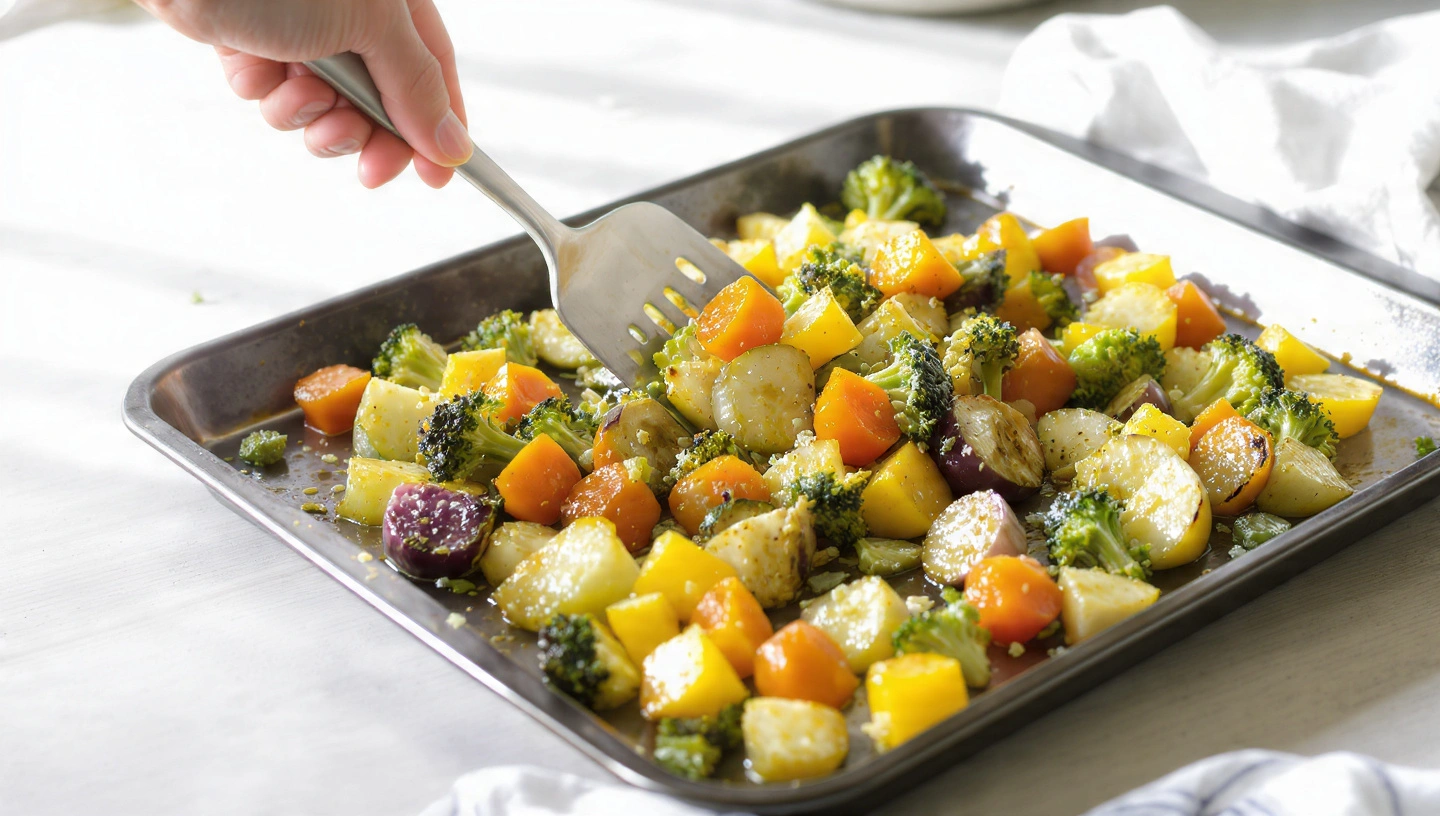
We get it! That’s exactly why we’re thrilled to share our secret weapon: One-Pan Roasted Vegetables. This ultimate guide isn’t just a recipe; it’s your ticket to a vibrant, flavorful, and incredibly easy meal with minimal cleanup—perfect for busy families who want to eat well without spending hours in the kitchen.
Get ready to transform your dinner routine with the magic of one-pan roasted vegetables. Whether you serve them as a satisfying side dish, toss them into grain bowls, or enjoy them as a light vegetarian main course, this technique is a genuine game-changer for quick, healthy dinners that everyone will actually eat.
Why This One-Pan Roasted Vegetables Method Will Change Everything
As a busy parent myself, I vividly remember those frantic evenings when dinner felt like a marathon, not a meal. The kitchen would be chaos—pots boiling over on every burner, a mountain of dishes piling up, kids getting hangrier by the minute, and me wondering why I thought homemade dinner was a good idea.
One particularly hectic night, amidst the toys scattered across the floor and homework spread across the table, I tossed a random assortment of vegetables onto a single baking sheet, hoping for the best. I drizzled some olive oil, sprinkled on whatever seasonings I could grab, and shoved it in the hot oven while I tackled the bedtime routine chaos.
What emerged from that oven was a revelation—perfectly tender, beautifully caramelized vegetables that my kids actually devoured (yes, really!). The broccoli they usually pushed around their plates? Gone. The carrots they claimed to hate? Eaten without complaint. That single moment sparked my obsession with one-pan roasted vegetables, and it quickly became our family’s go-to for stress-free, healthy eating.
This isn’t just about throwing things on a pan and hoping for the best; it’s about mastering a simple technique that brings out the natural sweetness of vegetables, making them irresistible even to the pickiest eaters. The high heat caramelizes the natural sugars, creating crispy edges and tender interiors that taste completely different from steamed or boiled vegetables.
It’s incredibly versatile, ridiculously budget-friendly, and proves that healthy eating doesn’t have to be complicated or time-consuming. Trust me, this method has saved my sanity (and my stovetop!) countless times.
Ingredients You’ll Need
The beauty of roasted vegetables is their flexibility—use what you have, what’s in season, or what your family loves!
The Vegetables (Create Your Own Rainbow!):
- 2 cups broccoli florets
- 2 medium carrots, chopped
- 1 large sweet potato, cubed
- 1 cup Brussels sprouts, halved
- 2 bell peppers (any color), chopped
- 1 medium red onion, cut into wedges
- 4-6 whole garlic cloves (or roughly chopped)
The Essentials:
- 3-4 tablespoons olive oil (or avocado oil)
- 1 teaspoon sea salt
- ½ teaspoon freshly ground black pepper
- 1 teaspoon dried Italian seasoning (or your favorite herb blend)
Optional Finishing Touches:
- Fresh parsley or cilantro, chopped
- Fresh lemon juice (about 1 tablespoon)
- Balsamic vinegar drizzle
- Red pepper flakes for heat
- Freshly grated Parmesan cheese
Equipment Needed
No fancy gadgets required—just the basics!
- Large rimmed baking sheet (18×13 inch recommended)
- Parchment paper (highly recommended for easy cleanup!)
- Large mixing bowl
- Sharp knife and cutting board
- Spatula or large spoon for tossing
That’s it! Simple equipment for simple cooking.
Ingredient Notes and Easy Substitutions
Vegetable Swaps: The vegetables listed above are just suggestions! Feel free to use whatever is in season, on sale, or hiding in your crisper drawer. Zucchini, cauliflower, mushrooms, asparagus, butternut squash, parsnips, and beets are all excellent candidates for roasting. Just remember that different vegetables have different cooking times, so group similar ones together.
Oil Alternatives: Olive oil is classic and delicious, but avocado oil is a great neutral-flavored alternative that handles high heat beautifully. You can also use melted coconut oil for a subtle tropical hint or even a light coating of cooking spray for fewer calories.
Seasoning Creativity: Don’t limit yourself to Italian herbs! Try these flavor combinations:
- Mexican-inspired: Chili powder, cumin, and lime juice
- Mediterranean: Za’atar, sumac, or herbs de Provence
- Asian-inspired: Sesame oil, ginger, and a splash of soy sauce
- Smoky: Smoked paprika and a touch of cayenne
- Indian: Garam masala, turmeric, and cumin
Step-by-Step Instructions
Follow these simple steps for perfectly roasted vegetables every time!
Step 1: Preheat and Prep
Preheat your oven to 425°F (220°C). While it heats, wash all your vegetables and chop them into roughly 1-inch pieces. For denser vegetables like sweet potatoes and carrots, cut them slightly smaller than softer vegetables like bell peppers or zucchini—this ensures everything finishes cooking at the same time.
Pro Tip: Uniformity is absolutely key! When vegetables are cut into similar-sized pieces, they cook evenly and become perfectly tender-crisp at the same time. No more mushy broccoli sitting next to rock-hard carrots!
Step 2: Season and Toss
Place all your chopped vegetables in a large mixing bowl. Drizzle generously with olive oil, then sprinkle on the salt, pepper, and your chosen herbs or seasonings. Use your hands or a large spatula to toss everything together until all the vegetables are evenly coated with oil and seasonings.
Pro Tip: Don’t be shy with the oil and seasonings! A good coating ensures maximum flavor and helps achieve that beautiful golden caramelization we’re after. You want every piece glistening but not drowning—typically about 1 tablespoon of oil per 2 cups of vegetables.
Step 3: Spread and Roast
Line your baking sheet with parchment paper (trust me on this one—cleanup will be a dream!). Spread the seasoned vegetables in a single layer across the pan, making sure they have enough space and aren’t piled on top of each other.
This is crucial: if your vegetables are crowded, use two baking sheets! Overcrowding is the number one mistake people make with roasted vegetables.
Roast for 25-35 minutes total, flipping or stirring the vegetables halfway through cooking. They’re done when fork-tender with beautifully browned, slightly crispy edges.
Pro Tip: Resist the urge to overcrowd the pan! This is the most important rule for crispy vegetables. When vegetables are packed too tightly, they release moisture and steam instead of roasting, resulting in a soggy, sad outcome. Give them room to breathe and brown—your taste buds will thank you!
Step 4: Finish and Serve
Remove the pan from the oven and immediately add your finishing touches if desired—a sprinkle of fresh herbs, a generous squeeze of lemon juice, a drizzle of balsamic vinegar, or a shower of Parmesan cheese. These bright, fresh additions elevate the caramelized vegetables to something truly special.
Serve immediately while hot and crispy!
Pro Tip: A fresh finish makes all the difference! That bright pop of lemon or fresh herbs cuts through the richness of the roasted vegetables and adds a layer of flavor that takes the dish from good to absolutely crave-worthy.
Expert Tips for Perfect Roasted Vegetables
After years of roasting countless pans of vegetables, here’s everything I’ve learned:
The Power of Parchment: Always, always use parchment paper! It prevents sticking, promotes even browning, and makes cleanup practically nonexistent. You can crumple up the parchment and toss it—no scrubbing required.
High Heat Is Your Friend: Don’t be afraid of temperatures in the 400-425°F range. This high heat is exactly what creates those desirable crispy edges and deep caramelization that make roasted vegetables so irresistible. Lower temperatures result in steamed, soggy vegetables.
Dry Vegetables = Crispy Vegetables: If you wash your vegetables, make sure they’re completely dry before tossing with oil. Excess water creates steam, which is the enemy of crispiness.
The Fork-Tender Test: Vegetables are perfectly done when they’re easily pierced with a fork but still have a slight bite and beautiful golden-brown color on the edges. If they’re mushy, you’ve gone too far!
Don’t Flip Too Early: Let the vegetables sit undisturbed for at least 12-15 minutes before flipping. This allows the bottoms to develop proper caramelization. Flipping too early or too often prevents browning.
Storage and Reheating Instructions
Storing Leftovers: Leftover roasted vegetables keep beautifully! Store them in an airtight container in the refrigerator for up to 3-4 days. They’re incredibly versatile for quick meals throughout the week.
Reheating: For the best texture, reheat roasted vegetables in a 400°F oven for 5-10 minutes or in a hot skillet over medium-high heat. The microwave works in a pinch, but won’t restore the crispiness. For meal prep purposes, many people enjoy cold roasted vegetables added to salads!
Ways to Use Leftovers:
- Toss into grain bowls with quinoa or rice
- Add to salads for extra substance
- Fold into omelets or frittatas
- Stuff into wraps or pitas
- Blend into soups for added nutrition
- Top pizzas or flatbreads
Delicious Variations to Try
Spice It Up—Mexican Style: Toss vegetables with chili powder, cumin, and smoked paprika before roasting. Finish with a squeeze of fresh lime juice and chopped cilantro. Serve alongside rice and beans for a complete meal.
Mediterranean Magic: Use za’atar or herbs de Provence for seasoning, then finish with crumbled feta cheese, Kalamata olives, and a drizzle of good olive oil.
Add a Protein Boost: For a complete one-pan meal, add drained and rinsed canned chickpeas to the vegetables before roasting—they get wonderfully crispy! You can also add cubed tofu, pre-cooked sausage, or chicken pieces halfway through roasting.
Sweet and Savory: Mix 1 tablespoon of maple syrup or honey into your olive oil and seasonings before tossing. This beautifully enhances the natural sweetness of root vegetables like carrots, sweet potatoes, and parsnips.
Asian-Inspired: Toss vegetables with sesame oil instead of olive oil, add minced ginger and garlic, and drizzle with soy sauce and rice vinegar after roasting. Top with sesame seeds and sliced green onions.
Frequently Asked Questions
What are the best vegetables for roasting together?
Hardier vegetables with similar cooking times work wonderfully together: carrots, sweet potatoes, broccoli, cauliflower, Brussels sprouts, bell peppers, and onions are all excellent choices. If you want to include softer vegetables like zucchini, mushrooms, or asparagus, add them to the pan about halfway through cooking to prevent them from becoming mushy.
What temperature should I roast vegetables at?
For perfectly tender vegetables with beautiful caramelized edges, roast at 400-425°F (200-220°C). This high heat is essential for creating the browning and crispiness that makes roasted vegetables so delicious. Lower temperatures will steam the vegetables rather than roast them.
How long do one-pan roasted vegetables take to cook?
Most vegetables take 25-35 minutes at 425°F, depending on their density and how small you cut them. Denser vegetables like sweet potatoes and butternut squash may need 35-40 minutes, while softer vegetables like zucchini and bell peppers might be done in 20-25 minutes. Always check for fork-tenderness and desired browning.
How do you get crispy roasted vegetables?
The secrets to perfectly crispy roasted vegetables are a high oven temperature (400-425°F), spacing vegetables in a single layer without overcrowding, ensuring vegetables are completely dry before tossing with oil, and not flipping them too early or too often. Use two pans if necessary—crispy vegetables need room to breathe!
Can you meal prep roasted vegetables?
Absolutely! Roasted vegetables are fantastic for meal prep. Roast a large batch at the beginning of the week and store in airtight containers in the refrigerator for up to 4 days. Add them to salads, grain bowls, wraps, pasta, eggs, or reheat as a quick side dish. They’re incredibly versatile and make healthy eating throughout the week effortless.
Why are my roasted vegetables soggy instead of crispy?
The most common culprits are overcrowding the pan (vegetables steam instead of roasting), an oven temperature that’s too low, vegetables not dried after washing, or using too much oil. Make sure to spread vegetables in a single layer with space between pieces, use high heat, pat vegetables dry, and use just enough oil to coat.
Final Thoughts
One-pan roasted vegetables are truly the ultimate solution for busy families who want to eat healthy without the hassle. With just one pan, a handful of simple ingredients, and about 30 minutes of mostly hands-off cooking time, you can have a colorful, nutritious, and genuinely delicious dish on your table.
The technique is forgiving, the variations are endless, and the cleanup is minimal—everything a busy parent needs. Once you master the basics, you’ll find yourself roasting vegetables constantly, transforming whatever’s in your fridge into something your whole family actually wants to eat.
method. So preheat that oven, grab your favorite vegetables, and discover why one-pan roasting is about to become your new favorite cooking method. Your weeknight dinners (and your sink full of dishes) will never be the same!
Happy roasting!
Love easy one-pan meals? Explore our collection of quick weeknight dinners and meal prep guides designed for busy families!








Discussion about this post