


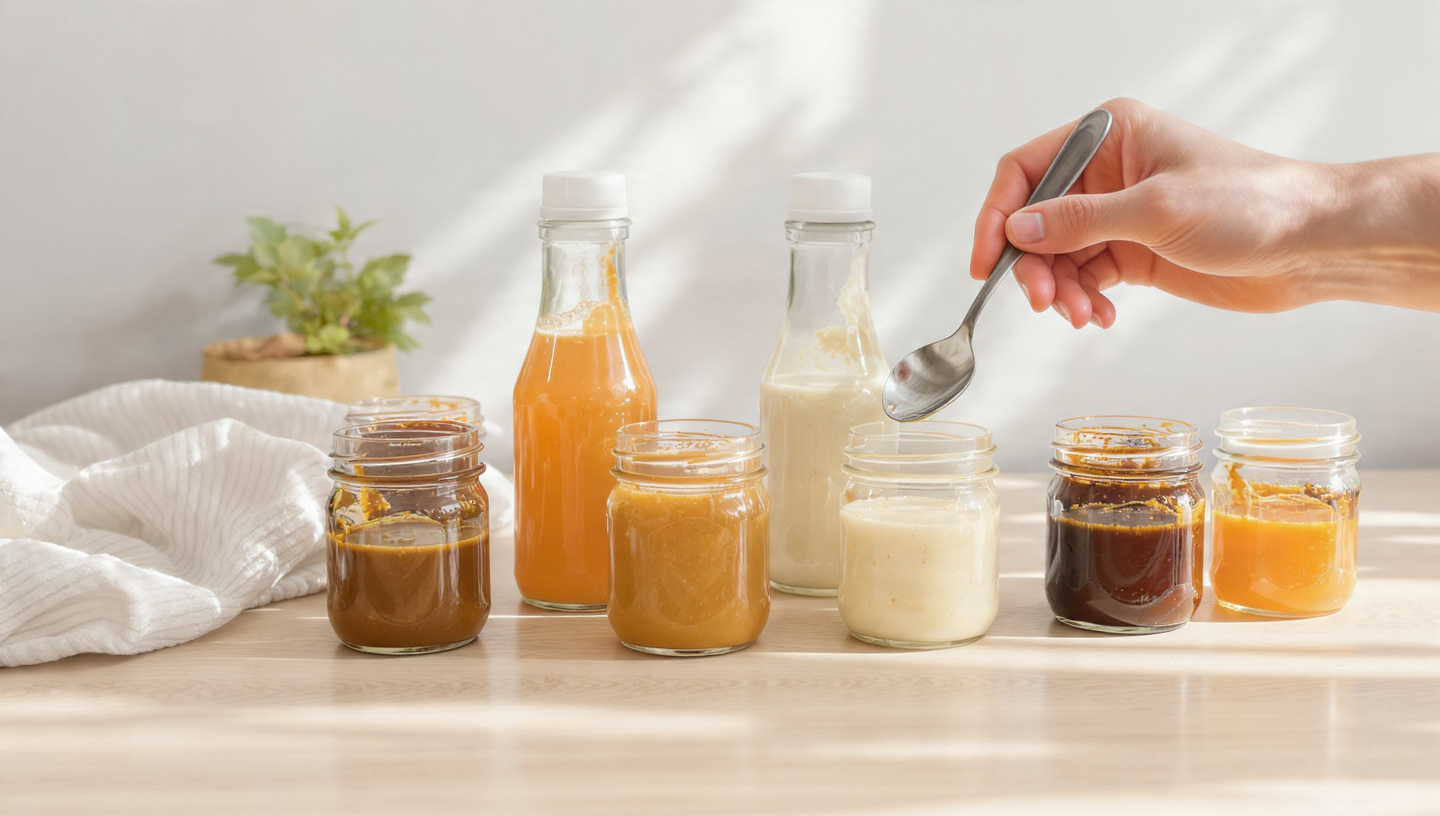
Here’s a secret that took me way too long to figure out: a good sauce can turn the most boring, budget-friendly ingredients into something you actually look forward to eating. Rice and vegetables? Sad. Rice and vegetables with a creamy peanut sauce? Suddenly, it’s dinner.
The problem is that most “gourmet” sauces are expensive, require specialty ingredients, or take forever to make. That’s not helpful when you’re trying to eat well on a budget. So I’ve spent years developing sauces that use pantry staples, come together in 15 minutes or less, and genuinely make cheap food taste good.
These budget-friendly quick meals: the best budget-friendly sauces are the ones I actually use, week after week. Each one can transform plain protein, simple grains, or basic vegetables into something that feels like a real meal. Let’s dive in.
Why Sauces Are the Budget Cook’s Best Friend
I learned this lesson the hard way in college, surviving on rice, pasta, and the occasional sad salad. Everything tasted the same—which is to say, like nothing. I couldn’t afford fancy ingredients, but I was so bored with my food that I almost gave up cooking entirely.
Then I discovered sauces. Suddenly, that same bowl of rice could become Asian-inspired with peanut sauce on Monday, Italian with marinara on Wednesday, and Tex-Mex with black bean salsa on Friday: same cheap base, completely different meals. My grocery bill stayed the same, but my meals got exponentially better.
I’ve spent years since then perfecting these recipes—testing ingredient ratios, finding the cheapest substitutions that still taste good, and figuring out which sauces freeze well for meal prep. What I’m sharing here are the winners. The ones that actually work, actually taste good, and actually keep your budget intact.
Pantry Staples That Make Great Sauces
Before we get to the recipes, here are the ingredients you’ll want to keep stocked. Most sauces are built from combinations of these:
Canned Tomatoes: The foundation of so many sauces. They’re cheap, shelf-stable, and provide acid, umami, and body. Crushed, diced, or paste—all useful.
Onions and Garlic: The aromatic base of almost every savory sauce. Buy them in bulk—they last. Powdered versions work in a pinch for speed.
Vinegars: Apple cider, white, and balsamic each bring different things. Acid brightens flavors and balances richness. Lemon or lime juice works as a substitute.
Soy Sauce: Instant umami and saltiness. Essential for Asian-inspired sauces. Tamari for gluten-free, or use extra salt if you’re out.
Dried Herbs and Spices: They’re cheap, last forever, and add depth without effort. Italian seasoning, cumin, smoked paprika, and chili powder cover most bases.
Oil, salt, pepper, and sugar: the basics that tie everything together. Sugar (just a pinch) balances acidity. Flour or cornstarch thickens when needed.
6 Budget-Friendly Sauces You Need in Your Rotation
Each of these sauces costs pennies per serving, uses ingredients you probably have, and takes 15 minutes or less. They’ll transform your budget cooking.
1. Quick Marinara Sauce (15 minutes)
This is the sauce I make more than any other. It’s the foundation for pasta night, pizza, dipping breadsticks, shakshuka, or using as a base for other recipes. A can of tomatoes, some garlic, and a few minutes of simmering—that’s it.
What you need: 1 can (28 oz) of crushed tomatoes, 3 cloves of garlic (minced), 2 tablespoons of olive oil, 1 teaspoon of dried oregano, ½ teaspoon of dried basil, a pinch of sugar, salt, and pepper.
How to make it: Heat olive oil in a saucepan over medium heat. Add garlic and cook for 30 seconds until fragrant (don’t let it burn). Pour in crushed tomatoes, and add herbs, sugar, salt, and pepper. Simmer for 10-15 minutes, stirring occasionally. Taste and adjust seasoning.
Cost breakdown: A can of crushed tomatoes is often under $1.50. The rest are pantry staples. You’re looking at maybe $2 for enough sauce to cover a pound of pasta.
2. Creamy Peanut Sauce (10 minutes)
This sauce is ridiculously versatile. Toss it with noodles, drizzle it over stir-fried vegetables, use it as a dipping sauce for spring rolls or chicken, or thin it out for a salad dressing. It’s rich, savory, slightly sweet, and comes together in the time it takes to boil water.
What you need: ¼ cup peanut butter (creamy), 2 tablespoons soy sauce, 1 tablespoon rice vinegar (or lime juice), 1 tablespoon honey or brown sugar, 1 teaspoon sesame oil, 1 clove garlic (minced), 3-4 tablespoons warm water.
How to make it: Whisk together peanut butter, soy sauce, vinegar, sweetener, sesame oil, and garlic in a bowl. Add warm water a tablespoon at a time until you reach your desired consistency—thicker for dipping, thinner for noodles. Taste and adjust.
Budget tip: Generic peanut butter works perfectly. Skip the natural stuff here—the oils in regular peanut butter make for a creamier sauce. A jar lasts for many batches.
3. Speedy Lemon-Herb Vinaigrette (5 minutes)
Stop buying bottled salad dressing. This takes five minutes, costs a fraction of what store-bought costs, tastes infinitely better, and uses ingredients you have right now. Use it on salads, drizzle it over roasted vegetables, or marinate chicken before grilling.
What you need: ¼ cup olive oil, 2 tablespoons lemon juice (about 1 lemon), 1 teaspoon Dijon mustard (helps it emulsify), 1 teaspoon dried Italian herbs, 1 small garlic clove (minced or grated), salt, and pepper.
How to make it: Put everything in a jar with a tight lid. Shake vigorously for 30 seconds. That’s it. Taste and adjust salt and lemon as needed. Keep in the fridge for a week—shake before using.
Why it works: The Dijon mustard acts as an emulsifier, keeping the oil and acid from separating. It also adds a subtle tang that makes everything taste more interesting.
4. Zesty Black Bean Salsa Sauce (10 minutes)
This started as a salsa but quickly became a sauce I put on everything. Tacos, rice bowls, quesadillas, nachos, baked potatoes, and scrambled eggs—all improved. It’s chunky enough to work as a topping but can be thinned to drizzle. And it’s basically free.
What you need: 1 can black beans (drained and rinsed), 1 can diced tomatoes (drained), ¼ cup diced onion, 1 clove garlic (minced), juice of 1 lime, 1 teaspoon cumin, salt, pepper, and optional chopped cilantro and jalapeño.
How to make it: Combine everything in a bowl. Mash about a third of the beans with a fork to create some creaminess while leaving texture. Taste and adjust lime and salt. For a thinner sauce, add a splash of olive oil or a bit of the reserved tomato liquid.
Budget tip: Canned beans and tomatoes are some of the cheapest, most nutritious foods you can buy. This whole sauce costs about $2 and makes enough for 4-6 servings.
5. Simple Garlic-Parmesan Sauce (15 minutes)
A creamy, cheesy sauce that doesn’t require cream. This clings beautifully to pasta, drizzles over roasted vegetables, and makes plain chicken breast actually exciting. For a vegan version, nutritional yeast gives you that same savory, cheesy flavor.
What you need: 2 tablespoons butter, 3 cloves garlic (minced), 2 tablespoons flour, 1½ cups milk, ½ cup grated Parmesan (or 3 tablespoons nutritional yeast), salt, and pepper.
How to make it: Melt butter in a saucepan over medium heat. Add garlic and cook for 30 seconds. Whisk in flour and cook 1 minute. Slowly pour in milk while whisking constantly to prevent lumps. Simmer until thickened, 3-5 minutes. Remove from heat, and stir in cheese or nutritional yeast. Season to taste.
Pro tip: If using nutritional yeast, the sauce won’t be quite as thick. Add an extra tablespoon of flour or simmer a bit longer. It’ll still taste amazing.
6. Tangy BBQ Drizzle (10 minutes)
Good BBQ sauce is expensive. This homemade version costs pennies, tastes better than most bottles, and lets you control the sweetness and heat. Use it on grilled chicken, pulled pork, burgers, or as a dipping sauce for chicken tenders.
What you need: ½ cup ketchup, 2 tablespoons brown sugar, 1 tablespoon apple cider vinegar, 1 tablespoon Worcestershire sauce, 1 teaspoon smoked paprika, ½ teaspoon garlic powder, ½ teaspoon onion powder, and a pinch of cayenne (optional).
How to make it: Combine everything in a small saucepan. Bring to a simmer over medium heat, stirring frequently. Cook for 5-8 minutes until slightly thickened. Taste and adjust sweetness, acid, or heat to your preference.
Variations: Add a tablespoon of molasses for a deeper flavor. More cayenne for heat. A splash of liquid smoke if you want that grilled taste without the grill.
Quick Comparison: Which Sauce Do You Need?
Here’s the overview:
| Sauce | Key Ingredients | Best For | Time | Vegan |
| Quick Marinara | Canned tomatoes, garlic | Pasta, pizza, and dipping | 15 min | Yes |
| Peanut Sauce | Peanut butter, soy sauce | Noodles, stir-fry, dipping | 10 min | Yes |
| Lemon Vinaigrette | Olive oil, lemon, herbs | Salads, roasted veggies | 5 min | Yes |
| Black Bean Salsa | Black beans, tomatoes | Tacos, rice bowls, burritos | 10 min | Yes |
| Garlic-Parmesan | Garlic, milk, cheese | Pasta, veggies, chicken | 15 min | w/ NY |
| BBQ Drizzle | Ketchup, vinegar, spices | Grilled meats, sandwiches | 10 min | Yes |
Frequently Asked Questions
What are the cheapest ingredients for making sauces?
Canned tomatoes, dried herbs and spices, onions, garlic, vinegar, and soy sauce are your best friends. All are shelf-stable, last forever, and form the base of countless sauces. Always buy store brand—the quality is usually identical for a fraction of the price.
Can I substitute fresh herbs for dried?
Yes, but use about three times as much fresh as dried. Fresh herbs are brighter and less concentrated. Add them toward the end of cooking to preserve their flavor. Dried herbs are more economical and work perfectly well in all these recipes.
How long do these sauces keep?
Most keep 3-5 days in an airtight container in the fridge. Marinara, peanut sauce, and BBQ drizzle all freeze well for 2-3 months. The vinaigrette should stay refrigerated and be used within a week. Thaw frozen sauces overnight in the fridge.
My sauce tastes bland. How do I fix it?
Start with salt—underseasoning is the most common issue. Then try acid (lemon juice or vinegar) to brighten things up. A pinch of sugar can balance excessive acidity. A dash of hot sauce or extra garlic adds depth. Taste as you go and adjust gradually.
Are these sauces vegan or gluten-free?
Most are naturally vegan or easily adapted. For gluten-free, swap soy sauce for tamari, and check that your Worcestershire sauce is gluten-free. The garlic-parmesan sauce is vegan when made with nutritional yeast instead of cheese.
What else can I do with leftover sauces?
Get creative! Marinara works as a soup base or pizza sauce. Peanut sauce makes a great dressing for cold noodle salad. Vinaigrette can marinate vegetables or chicken. Black bean salsa becomes a dip or quesadilla filling. None of these are one-trick ponies.
How can I thicken a sauce without flour?
Simmer uncovered to reduce and thicken naturally. Mash in a small amount of cooked potato or beans. Stir in a spoonful of nut butter (works great in peanut sauce, obviously). A tablespoon of tomato paste adds body to tomato-based sauces.
Meal Prep Tips for Sauce Success
- Make a double batch of marinara on Sunday—use half for pasta night and freeze the other half for later.
- Pre-measure dry spice blends and store in small containers. Cuts prep time in half.
- Freeze sauces in ice cube trays for single-serving portions. Pop them into a bag once frozen.
- Keep a jar of vinaigrette in the fridge at all times. Salads become zero-effort meals.
Budget-Saving Tips Beyond the Recipes
- Buy canned goods in bulk when they’re on sale—they last for years.
- Generic brands for basics (tomatoes, beans, spices) are just as good as name brands.
- A little garlic and onion powder goes a long way when you’re out of fresh.
- Save vegetable scraps for homemade broth—basically free flavor for future cooking.
Transform Your Budget Cooking Tonight
These budget-friendly quick meals: the best budget-friendly sauces are genuinely the difference between boring meals and food you look forward to. A pot of plain rice is sad. Rice with peanut sauce? That’s dinner. Pasta with nothing? Depressing. Pasta with homemade marinara? Restaurant-quality eating at home.
Start with one or two sauces that match how you already eat. If you’re a pasta person, marinara and garlic-parmesan will change your life. If you love bowls and stir-fries, peanut sauce and black bean salsa are your new best friends. Build from there.
Which sauce are you making first? Let me know in the comments, or share your own favorite budget-friendly sauce ideas—I’m always looking for new ones to add to the rotation.
Want more budget-friendly kitchen strategies? Check out our 10 Essential Pantry Staples for Quick & Cheap Meals for more ways to eat well without spending a lot!











Discussion about this post