


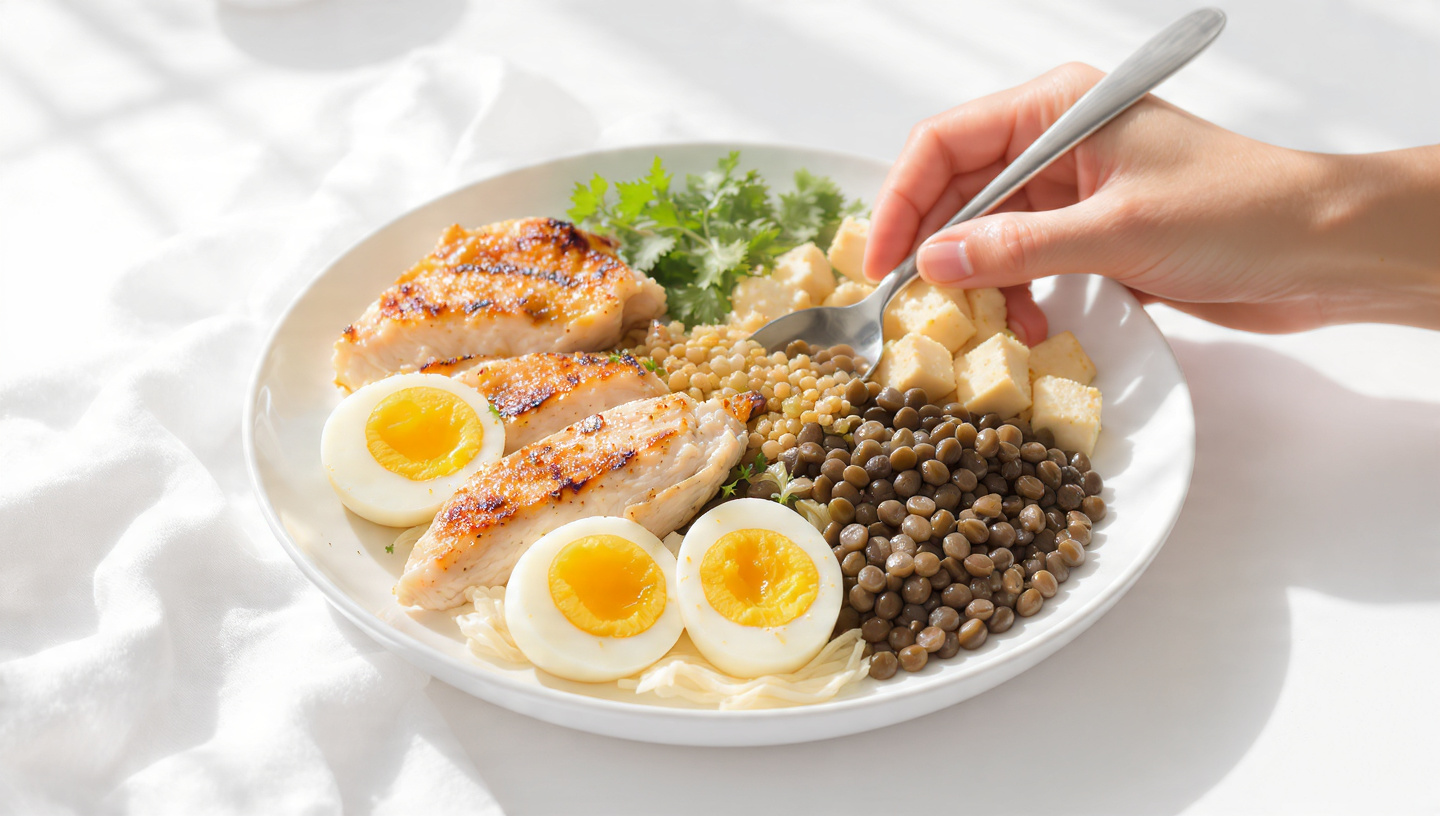
Protein does not have to cost a lot.
Do you want to eat filling, protein-rich meals without spending a lot of money on groceries? You are not the only one! It can seem impossible to find protein sources that taste good, are good for your health, and don’t cost too much when meat prices are rising and grocery budgets are getting tighter.
This guide will show you how to make tasty, quick meals on a budget by showing you the best and cheapest protein sources. We are talking about real, science-based nutrition information and useful cooking tips. Knowing both the “why” and the “how” turns good intentions into real meals.
Get ready to change how you plan your meals and learn how easy it is to eat well without spending much money. These protein-rich foods will change the way you eat on a budget, whether you are cooking for a family, meal prepping for one, or just trying to save money on groceries while still eating healthy.
Why You Can Trust This Guide
As a food blogger who has carefully tracked grocery prices and tried many budget-friendly quick meals over the years while feeding a busy family, I know how hard it is to strike a balance among cost, nutrition, and time. I have tried every protein source on this list myself to make sure they taste good and are worth the money. This is not just theory; I have cooked with these proteins hundreds of times, given them to picky eaters, and figured out how much they actually cost at real grocery stores.
Because I have a background in cooking and a passion for making healthy food accessible, I have become an expert in smart grocery shopping and quick meal prep, especially when it comes to getting the most protein for the least money. I have looked at nutrition labels, compared prices for the same item across different stores, and figured out which brands offer the best value without sacrificing quality.
This guide is based on extensive research into nutritional values, market prices, and common uses in the kitchen. It uses reliable sources, such as the USDA Food Database, peer-reviewed nutrition studies, and well-known food budgeting tools, to give you practical tips for budget-friendly quick meals. We checked each protein source to make sure it was both nutritionally complete and cost-effective.
All of the tips and protein sources here come from people who have used them and are dedicated to helping you reach your health and financial goals. You can trust that these tips are tried and true and will really help you save money. They are not just suggestions from someone who can buy anything they want at the store.
The Ultimate Protein Breakdown That Fits Your Budget
1. Eggs: The Best of the Best
Why they matter: Eggs are the best source of protein because they have all nine essential amino acids that your body needs. They cost between $0.25 and $0.35 each, depending on where you live, and each one has about 6 grams of high-quality protein. This makes them one of the most affordable sources of protein.
Nutritional profile: A large egg has about 70 calories, 6 grams of protein, 5 grams of fat, and vitamins A, D, E, and B12, as well as riboflavin and minerals like iron and selenium. Choline, which is important for brain health, is one of the nutrients in the yolk.
Versatility factor: Eggs can be scrambled, fried, poached, hard-boiled, baked into frittatas, or whisked into fried rice. They can be used in almost any type of food and with almost any cooking method. They are good for breakfast, lunch, dinner, or snacks.
Cost comparison: Eggs cost about $3–4 per dozen, which is less than a single fast-food burger. Each dozen eggs provides 12 servings of protein.
Alternatives: Tofu scramble or chickpea flour “omelets” are good options for people who do not eat meat; they are just as versatile, though their nutritional profiles differ.
2. Tuna and salmon in cans: a cheap way to get ocean nutrition
Why they matter: Canned fish is a shelf-stable source of omega-3 fatty acids, complete protein, and convenience. Canned tuna costs about $1 to $1.50 per 5-ounce can, which contains 30 grams of protein. Canned salmon, on the other hand, costs $2 to $3 per can but has more omega-3s.
Nutritional profile: A 5-ounce can of tuna contains about 30 grams of protein, very few carbohydrates, and important vitamins and minerals such as selenium, vitamin D, and B vitamins. Salmon is a great source of omega-3 fatty acids (EPA and DHA), which are good for your heart and brain.
Versatility factor: You can add it to salads, make tuna melts, mix it with pasta, stuff it into sandwiches, or make protein-rich wraps. The canned version does not need to be cooked and lasts for years.
Budget tip: Tuna is one of the cheapest sources of protein, costing about $0.05–0.06 per gram. “Chunk light” tuna is the best value, and you can find sales where cans go down to $0.88–1.00.
Alternatives: Canned chicken ($2–$2.50 per can) or sardines ($1.50–$2 per can) are just as easy to use but taste different.
3. Lentils: The Protein Powerhouse from Plants
Why they matter: Lentils are a great source of protein and fiber at a price that cannot be beat. You can get about 7 cups of cooked lentils for $1.50–$2 per pound. That is about $0.25 per cup serving, and each serving has 18 g of protein and 16 g of fiber.
Nutritional profile: One cup of cooked lentils contains 18 g of protein, 40 g of complex carbohydrates, 16 g of fiber, iron, folate, potassium, and polyphenols, all of which are beneficial. They are especially useful for vegetarians and vegans who need iron and protein.
Versatility factor: You can cook red lentils in 15 minutes and then use them to make creamy soups. For salads, grain bowls, and meat substitutes, green and brown lentils keep their shape. They soak up flavors very well and can be used in Indian dal and Italian pasta.
Preparation advantage: You do not have to soak lentils like you do beans. Depending on the type, rinse and simmer for 15 to 30 minutes. Lentils in cans ($1–$1.50 per can) are even easier to use.
Alternatives: Other dried beans, such as black beans, chickpeas, or pinto beans, offer similar benefits but usually require soaking and longer cooking times.
4. Chicken thighs and drumsticks are cheap sources of animal protein.
Why they matter: Chicken breast is the most talked-about part of chicken, but dark meat (thighs and drumsticks) is 30–50% cheaper, tastes better, and is moister. Thighs usually cost between $1.99 and $2.99 per pound, and drumsticks often cost even less.
Nutritional profile: A 3-ounce serving of cooked chicken thigh has about 23 grams of protein, B vitamins (especially niacin and B6), selenium, and zinc. Yes, it has more fat than breast meat, but most of these fats are unsaturated, which are good for your heart.
Versatility factor: You can bake, grill, sauté, slow-cook, or pressure-cook. Because they have more fat, they stay juicy even when overcooked a little, which is great for busy cooks. If you want to reduce the fat content, remove the skin before or after cooking.
How to store: Buy family packs on sale and freeze them in meal-sized portions. If you freeze chicken the right way, it will stay good for 9 to 12 months.
Alternatives: Pork shoulder ($2–3 per pound) or ground turkey ($3–4 per pound) are both affordable options with distinct flavors.
5. Tofu and tempeh are the best plant-based foods.
Why they matter: Tofu ($1.50–2.50 for a 14–16 oz block) and tempeh ($2.50–3.50 for an 8 oz package) are both full plant-based proteins that can take on almost any flavor you give them. Three to four servings can be made from one block of tofu.
Nutritional profile: A 1/2-cup serving of firm tofu contains about 10 grams of protein, calcium (if it is calcium-set), iron, and isoflavones, which may be beneficial for your health. Tempeh has 15 grams of protein per half cup, along with probiotics from fermentation and additional fiber.
Versatility factor: Press tofu to remove excess water, then bake, pan-fry, scramble, or blend into smoothies. Tempeh has a nutty taste and a firm texture that make it great for stir-fries, crumbling into “meat” sauce, or marinating and grilling.
Tip for preparing: Pressing tofu for 15 to 30 minutes makes it taste and feel much better. To make tofu taste more like meat and have a more porous texture, freeze and then thaw it.
Alternatives: Paneer (Indian cheese, $4–5 per package) and seitan ($4–5 per package) are two options with different textures and flavors.
6. Cottage Cheese and Greek Yogurt: The Dairy Duo
Why they matter: These dairy proteins are high in protein and do not need much prep work. A container of cottage cheese costs between $2.50 and $4.00, or about $0.40 to $0.60 per serving. A large container of Greek yogurt costs between $4.00 and $6.00, or $0.50 to $0.75 per serving.
Nutritional profile: One cup of low-fat cottage cheese has about 28 grams of protein and 20% of the calcium you need each day. Greek yogurt has 15 to 20 grams of protein per cup (depending on the brand) and probiotics that are good for your gut.
Versatility factor: You can eat it straight, mix it into smoothies, use it as a base for dips, add it to pancakes for extra protein, or substitute it for sour cream or mayonnaise in recipes. Both can be used for sweet or savory dishes.
Tip for saving money: Buy big containers instead of single servings to save 40–60%. Store brands are often just as good as name brands, but they cost half as much.
Alternatives: Ricotta cheese or skyr (Icelandic yogurt) have similar health benefits but differ in texture and protein content.
Your Action Plan: Getting the Most Protein for Your Money
Tips for Smart Shopping
Look at the price per ounce or pound, not just the total price. Sometimes, bigger packages are a better deal, but not always. Store brands usually cost 20% to 40% less than name brands for the same items.
Watch for sales cycles: Proteins usually go on sale in a certain way. Every six to eight weeks, chicken goes on sale. When prices go down, buy a lot and freeze it for later. When chicken thighs are $1.99 or less per pound, I buy 10 to 15 pounds.
Buy whole chickens and butcher them yourself: Whole chickens cost less per pound than parts. A whole chicken for $7 gives you breasts, thighs, drumsticks, wings, and bones for stock, which is enough protein for five meals.
Do not forget about frozen: Frozen sources of protein, like fish and chicken, are often cheaper than fresh ones and maintain their quality. You can thaw only what you need when the pieces are frozen separately.
How to Get Ready for Quick Meals
Cooking eggs in bulk: On Sunday, hard-boil a dozen eggs. Keep in the fridge for protein that you can grab and go all week. They last for a week and turn snacks, salads, and grain bowls into full meals.
Cook proteins ahead of time: Make a batch of seasoned chicken thighs, a pot of lentils, or pressed and cubed tofu. Put in portioned containers for meals you can assemble on busy weeknights.
Strategically season: Plain proteins are cheap but boring. Make easy seasoning mixes like Italian (garlic powder, oregano, and basil), Mexican (cumin, chili powder, and paprika), or Asian (ginger powder, garlic, and five-spice). They change basic proteins without incurring additional costs.
Use marinades: They work well for cheap proteins. Adding soy sauce, garlic, and ginger, or yogurt and curry powder to food makes it softer and more flavorful. While you are at work, let the food soak in the marinade.
Quick Meal Ideas for Each Type of Protein
Eggs: You can make scrambled eggs with vegetables in five minutes, overnight oats with hard-boiled eggs on the side, veggie frittatas baked in muffin tins for meals you can take with you, or fried rice with leftover rice.
Canned fish: You can make classic tuna melts in 10 minutes, Mediterranean tuna salad stuffed in pita, salmon cakes with canned salmon and pantry ingredients, or protein-rich pasta with tuna and vegetables.
Lentils: You can make lentil soup in 30 minutes, Mediterranean lentil salad with cucumbers and feta, lentil “meat” sauce for pasta, or lentil tacos with simple spices.
Chicken thighs: You can make sheet-pan chicken with roasted vegetables (30 minutes hands-off), quick chicken stir-fries, slow-cooker chicken that you can shred for several meals, or simple pan-seared thighs with any side.
Tofu/Tempeh: For breakfast, scramble tofu “eggs” or bake crispy tofu cubes for grain bowls. For lunch, make tempeh bacon for sandwiches or marinated tofu stir-fries.
Cottage cheese and Greek yogurt: Protein smoothies, savory bowls of cottage cheese with vegetables and everything bagel seasoning, Greek yogurt parfaits, or pancakes with a lot of protein.
Important Things to Know About Storage and Shelf Life
Eggs: Keep them in their original carton in the fridge, not on the door. Lasts 3 to 5 weeks after the sell-by date. Hard-boiled eggs can be kept in the fridge for 7 days.
Fish in cans: Unopened cans can last 3 to 5 years in the pantry. After you open it, put it in a glass container and refrigerate for 3–4 days.
Dried lentils: Keep them in a cool, dry place in an airtight container for up to a year. If you store cooked lentils in the fridge, they will last for 5 to 7 days. If you freeze them, they will last for 3 months.
Raw chicken: Use it within one to two days of buying it, or freeze it right away. The quality of frozen chicken stays good for 9 to 12 months. Refrigerated cooked chicken stays good for 3–4 days.
Tofu/Tempeh: Packages that have not been opened last until the expiration date. Once you open it, you can keep the tofu submerged in fresh water (which you should change daily) for up to a week. Tempeh can be kept in the fridge for 5 to 7 days.
Greek yogurt/cottage cheese: If you do not open it, it will last until the expiration date. For the best quality, eat within 7 to 10 days of opening.
Answers to Your Protein Questions
Q1: What are the cheapest protein sources that are also quick and easy to make?
The cheapest proteins, based on cost per 25 g serving, are dried lentils ($0.30–0.40), eggs ($1.00–1.25), canned tuna ($1.25–1.50), a whole chicken broken down yourself ($1.50–2.00), and tofu ($1.75–2.25). These give you all the nutrients you need for a lot less than eating out or buying processed convenience foods. For reference, deli meat with 25 grams of protein costs $4-$6.
Q2: Can I use plant-based proteins instead of meat in these cheap, quick meals?
Yes, of course. In most recipes, lentils, tofu, and tempeh can replace meat. Knowing the differences in flavor and texture is the most important thing. Lentils are great in dishes where meat is broken up or sauced, like tacos or pasta sauce. Tofu and tempeh need to be pressed and marinated properly to achieve the right texture. Plant proteins are usually 30–50% cheaper than meat per serving, and they also have fiber that animal proteins do not have.
Q3: How long do cooked, cheap proteins usually last in the fridge for quick meals?
When stored correctly in airtight containers, most cooked proteins will last 3 to 4 days in the fridge. Details: cooked chicken or other meat lasts 3–4 days; hard-boiled eggs last 7 days; cooked lentils or beans last 5–7 days; opened cottage cheese or yogurt lasts 7–10 days; and cooked tofu lasts 5–7 days. If you want to keep cooked proteins for longer, freeze them in meal-sized portions for 2 to 3 months. Always smell and look at food before eating it.
Q4: What is the best way to make cheap protein sources taste better for quick meals?
It is important to layer flavors. To begin, make sure to use the right seasonings. Salt and pepper are not optional. Add garlic, ginger, and onions to the food while it is cooking. Add acidic ingredients like lemon juice or vinegar to brighten flavors. Add herbs and spices (they are cheap and change the taste). Use things you already have in your kitchen to make easy marinades or rubs. For plant proteins, let them sit in the marinade for at least 30 minutes to let the flavors blend. Before adding protein to dishes, it should taste good on its own.
Q5: Are frozen protein sources a good choice for quick meals that do not cost a lot?
Yes, frozen proteins are a great way to save money. Frozen chicken, fish, and shrimp are often cheaper than fresh ones and retain their nutritional value. They are flash-frozen at their freshest, which helps preserve nutrients. Buy pieces that are frozen separately so you can thaw only what you need. Frozen proteins last 6 to 12 months, which reduces waste. For most cooking uses, like stir-fries, soups, and casseroles, the difference in quality between frozen and fresh is small.
Q6: How can I make sure I am getting enough protein from cheap, quick meals without eating meat every day?
By combining plant proteins in smart ways, you can get 20 to 30 grams of protein in each meal. Lentil soup (18 g) and whole grain bread make a complete protein. Tofu stir-fry (20 g) over rice with vegetables, Greek yogurt (15-20 g) with nuts and fruit, and eggs (12 g for 2 eggs) with whole grain toast are all good examples. You can easily get enough protein throughout the week by eating eggs, dairy, canned fish, legumes, and tofu. This is often cheaper than eating meat every day.
Q7: What are some quick and easy ways to add these cheap proteins to breakfast?
You do not have to do much to get breakfast proteins ready. For example, scrambled or fried eggs take 5 minutes, Greek yogurt parfaits with granola and fruit take 2 minutes, cottage cheese with berries and cinnamon takes 1 minute, tofu scramble with vegetables takes 10 minutes, overnight oats mixed with Greek yogurt (made the night before), or hard-boiled eggs made ahead of time. On weekends, make a lot of protein for breakfast at once. You could bake egg muffins, make yogurt parfait jars, or get tofu scramble mix ready.
Get the Most Out of Your Protein Investment
Ways to save time and money when preparing meals
Protein prep on Sunday: Spend one to two hours getting proteins ready for the week. Cook three pounds of chicken thighs with different spices, two batches of lentils (one for soup and one for salads), hard-boil a dozen eggs, and press and cube two blocks of tofu. Put them in labeled containers with the dates they were made.
Portioning for success: Put cooked proteins into containers that hold one serving (3–4 oz). This stops overuse, keeps portions in check, and makes it easy to grab lunch items. I use cheap glass containers from the dollar store. They last a long time and keep flavors from mixing.
Strategically freeze: Freeze cooked chicken with sauce in meal-sized portions for easy reheating. Put cooked lentils in freezer bags and freeze them flat so they thaw quickly. You should not freeze raw proteins in large chunks; instead, freeze them in single layers. Put a label on everything with the date and contents.
Make building blocks for protein: Instead of making full meals, make protein parts that can be used in many dishes. You can put seasoned chicken cubes in salads, grain bowls, wraps, or pasta. Depending on what you add, plain cooked lentils can taste like Italian, Mexican, or Indian food.
Shopping Hacks to Save Money
Keep track of prices: Know how much you want to pay. Stock up when chicken thighs go down to $1.99 per pound or eggs go down to $2.50 per dozen. I have a simple note on my phone with the prices I want to pay for things I buy often.
Buy direct when you can: Ethnic grocery stores often have tofu, lentils, and spices that are 40–60% cheaper than regular grocery stores. Some restaurant supply stores sell to the public and offer wholesale prices on bulk proteins. Farmers who sell directly often give discounts on whole chickens or large amounts of eggs.
Sign up for store loyalty programs: Many stores give you digital coupons and personalized deals on things you buy often. For the best savings, use store sales and manufacturer coupons together. If you have room to store it, warehouse clubs like Costco can save you a lot of money on protein.
Think about less-than-perfect choices: “ugly” fruits and vegetables and off-brand proteins work the same way in cooked dishes. Store-brand canned tuna, generic Greek yogurt, and imperfect eggs cost 30–50% less, but the quality is the same.
Plan your shopping: In the morning, many stores lower the price of meat nearing its sell-by date by 30–50%. Get these proteins and put them in the freezer right away so you can use them later. Using this method, I have been able to buy organic chicken thighs for $1.50 per pound.
Creative Ways to Use Leftovers
Chicken evolution: On Monday, you make chicken salad wraps out of roasted chicken thighs. On Tuesday, you make chicken fried rice out of the same thighs. On Wednesday, you make chicken quesadillas out of the same thighs. Even though they all use the same base protein, each meal tastes different.
Lentil magic: Add tomatoes and Italian herbs to plain cooked lentils to make Italian lentil soup. Add cumin and chili powder to make Mexican lentil tacos. Add cucumber, feta, and lemon to make Mediterranean lentil salad.
Egg creativity: You can make egg salad sandwiches, deviled eggs, sliced egg toast, fried rice with chopped eggs, or smashed eggs with avocado on toast from hard-boiled eggs.
Tofu’s many uses: You can use plain pressed tofu cubes in Asian stir-fries, crumble them into scrambles, blend them into smoothies, or bake them into crispy nuggets with different spices each time.
Reinventing fish: Leftover canned tuna can be used to make a variety of dishes, each with its own unique flavor. These include tuna salad, tuna melts, tuna pasta, and tuna-stuffed tomatoes.
Your Journey to Affordable Protein Starts Now
By using these budget-friendly quick-meal protein sources, you are not only saving money but also making your meal prep easier and healthier. Knowing that you do not have to pay a lot for good protein gives you the power to make choices that are good for your health and your wallet.
You can easily make tasty, healthy, and budget-friendly quick meals with these versatile proteins. Start using them in your diet today. When you know how to eat healthy and how to put that knowledge into practice, you can turn good intentions into long-lasting healthy eating habits. Please tell us your favorite ways to save money on protein in the comments below! What cheap protein do you like best? Did we miss any ways to save money?
Our posts on “5-Ingredient Dinners for Busy Weeknights” and “The Power of Frozen Vegetables for Quick Meals” will give you more ideas. Join our community of budget-conscious eaters who are showing that you do not need a lot of money to eat well.
Keep in mind that the best protein is the one you can afford and will eat regularly. Pick one or two proteins from this list, learn how to cook them, and then add more to your list. Your body, schedule, and wallet will all be happy.
Save this guide for your next meal planning session and change the way you eat cheap, protein-rich foods!













Discussion about this post